-
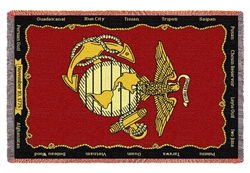
Looking for a great Valentine's Day gift? Look no further than The White House Gift Shop. We are excited to present our curated collection of blankets and throws, perfect for expressing love and appreciation this Valentine's Day. From patriotic designs to military-themed blankets, we have a range of heartfelt options to suit every taste. Shop below!
-
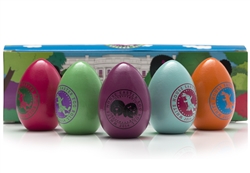
Our exclusive White House Easter Egg Collections is available at The White House Gift Shop. These beautifully crafted and meticulously designed eggs are a cherished tradition at the White House and make a delightful addition to your Easter celebrations. In this blog post, we invite you to explore the enchanting world of our White House Easter Egg Collections and discover the perfect keepsake for this joyous occasion. Shop today.
-
At The White House Gift Shop, we proudly present a diverse collection of military challenge coins that honor the valor, dedication, and achievements of our armed forces. These unique coins serve as tangible symbols of pride and camaraderie, representing the brotherhood and sisterhood of those who have served. In this blog post, we will explore the extraordinary range of military challenge coins available at our shop, each with its own distinctive design and meaningful significance. Shop today.
-
The White House Gift Shop is proud to offer a diverse range of White House clothing options designed for individuals of all ages, allowing everyone to express their love for American history and the values associated with the White House.
-
Welcome to the White House Gift Shop where we invite you to discover our collection of exquisite White House Golf Items. From top-quality golf polo shirts and golf club towels to premium golf balls and model golf carts, we offer an exclusive range of products designed to enhance your golfing experience. Join us as we dive deeper into each of these remarkable items. Shop today.
-
The White House Gift Shop has been instrumental in preserving and perpetuating the tradition of the White House Easter Egg Collections. These meticulously crafted eggs have become revered symbols of the annual Easter celebrations at the White House, each design reflecting the distinctive style and themes of the respective administrations. Read on to learn more, and shop today.
-
The White House Gift Shop is a treasure trove for history buffs, collectors, and patriotic individuals looking to bring a piece of the American presidency into their homes. With a vast selection of unique and high-quality items, this iconic gift shop offers a range of products that capture the essence of the White House and its storied history. In this blog, we will dive into some of the top-selling items at The White House Gift Shop, including Presidential commemorative coins, White House Christmas Ornaments, custom glassware, and apparel. Shop today!
-
The White House Gift Shop is proud to offer an extensive collection of Military Challenge Coins that honor the valor and dedication of our armed forces. But have you ever wondered how these exceptional pieces are made? In this blog post, we invite you to step behind the scenes and discover the intricate process of crafting Military Challenge Coins, showcasing a few examples from our remarkable selection. Shop today.
-
As coin collectors, we understand the joy and pride that comes with building and maintaining a precious coin collection. Each coin holds a unique story and represents a piece of history. At The White House Gift Shop, we offer a diverse range of coin collections that celebrate the great moments, figures, and events that have shaped America. Whether you are interested in Great Moments in History, Military and Presidential Challenge coins, or the Great Figures in American History Coin Collection, we want to ensure that your prized collection remains in pristine condition. Here are some valuable tips on how to maintain and care for your coin collection. Shop with us today!
-
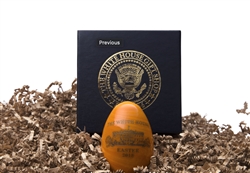
Our collection of Keepsake Boxes make the perfect gift for your loved ones this Valentine's Day. These elegantly crafted boxes offer a beautiful and sentimental way to store and protect cherished mementos and memories. Whether you're searching for a romantic gesture or a thoughtful token of affection, our Keepsake Boxes are sure to make a lasting impression. Shop The White House Gift Shop today.
-

Welcome to The White House Gift Shop where we take pride in offering an extensive array of Presidential Magnets. These captivating magnets not only showcase our nation's rich history but also serve as unique and memorable gifts. Join us as we explore the reasons to bring these magnets into your life, why they make exceptional gifts, and the wide variety of options available within our collection. Shop today! Reasons to Purchase Presidential Magnets- Historical Value: Each Presidential Magnet depicts iconic symbols, notable Presidents, and significant landmarks, providing a tangible connection to America's past and fostering an appreciation for our national heritage.
- Educational Tool: Presidential Magnets serve as a fun and interactive way to learn about Presidents, historical events, and national monuments. They spark curiosity and engage both children and adults in exploring the rich tapestry of American history.
- Collectible Items: With their unique designs and limited availability, Presidential Magnets can become cherished collectibles. As you gather these magnets over time, you can create a valuable and meaningful collection that reflects your passion for history and appreciation of American culture.
Why Presidential Magnets Make Great Gifts- Thoughtful Gesture: Offering a Presidential Magnet as a gift signifies thoughtfulness and appreciation for the recipient's interest in history, politics, or American culture. It shows that you took the time to present them with a unique and meaningful item.
- Symbol of Heritage: As a memorable souvenir, Presidential Magnets symbolize a piece of American heritage. Whether it's a birthday, anniversary, or special occasion, these magnets will leave a lasting impression and serve as a tangible reminder of a shared connection to our nation's history.
- Versatile Decor: With their compact size and magnetic backing, Presidential Magnets can be displayed on various surfaces such as refrigerators, cabinets, or office bulletin boards. They add a touch of patriotism to any space and serve as a conversation starter for visitors.
Wide Variety of Presidential Magnets- White House Magnets: Our collection of White House magnets showcases the iconic architecture and enduring legacy of this historic residence. From detailed replicas to stylized designs, these magnets capture the grandeur and significance of the White House.
- Presidents Magnets: Delve into the lives and achievements of America's past Presidents with our wide selection of President magnets. Each magnet features an individual President, enabling you to collect and display them chronologically or based on personal favorites.
- Vietnam Memorial Magnets: Pay tribute to the sacrifices of our courageous soldiers and honor the fallen with our Vietnam Memorial magnets. Depicting the powerful memorial wall, these magnets serve as a reminder of the bravery and sacrifice displayed during the Vietnam War.
- Washington Monument Magnet: Our Washington Monument magnet is a captivating tribute to a cherished American icon. Whether you've had the chance to visit the Washington Monument or dream of visiting one day, this magnet serves as a meaningful memento of your connection to this iconic symbol of American democracy.
- Capitol Building Magnet: Located in Washington, D.C., the Capitol Building serves as the seat of the United States Congress. It is not only the home of legislative power but also an architectural masterpiece. Designed in the neoclassical style, the Capitol Building has witnessed countless historic events, debates, and decisions that have shaped the nation throughout its history. It stands as a symbol of democratic governance and the strength of our nation's institutions.
SHOP TODAYImmerse yourself in the rich tapestry of American history with the Presidential Magnets collection from The White House Gift Shop. Whether you seek to expand your knowledge, commemorate our nation's leaders, or find a unique gift, our wide variety of Presidential magnets offers something for everyone. Explore our store today, and bring a piece of American heritage into your home or share it with someone special.
Shop Our Magnets Today
-
The White House Gift Shop is a treasure trove for political enthusiasts, showcasing an array of meaningful gifts that celebrate American history and patriotism. These precisely crafted items range from Presidential Commemorative Coins to White House Ornaments, Presidential Glassware, Apparel, and a lot more - all designed to delight political aficionados. To see our complete selection of presidential gifts, visit us online today.
-
Presidential Commemorative coins offer a unique and meaningful way to celebrate the legacy of America's Presidents. These beautifully crafted collectibles from The White House Gift Shop serve as a tangible representation of our nation's history.
-

We believe that your morning beverage deserves to be enjoyed in a stylish and sophisticated manner. That's why we offer a captivating collection of coffee mugs and drinkware that exemplify quality, elegance, and impeccable design. In this blog post, The White House Gift Shop will explore the compelling reasons why you should consider purchasing our coffee mugs and drinkware, ensuring that every sip is infused with a touch of luxury. Shop today.
Unmatched Quality and Craftsmanship
When it comes to Presidential coffee mugs and drinkware, we understand the importance of durability and longevity. That's why our custom glassware products are meticulously crafted using high-quality materials, such as ceramic and stainless steel. Our attention to detail and commitment to excellence ensure that every cup you savor is held in a vessel of exceptional quality.
Iconic Designs That Make a Statement
Our White House glassware collection showcases a variety of captivating designs that make a bold statement. Whether you prefer classic elegance or modern sophistication, we have a range of options to suit your style. From minimalist designs to intricate patterns and iconic symbols, our White House coffee mugs and drinkware are sure to add a touch of flair to your daily routine.
Some of Our Best Coffee Mugs & Drinkware
The Presidential Seal Coffee Mug features the iconic seal, embodying the prestige and authority associated with the highest office in the land. The Washington DC Landmarks coffee mug showcases breathtaking illustrations of famous landmarks in the nation's capital, allowing you to carry a piece of history with you wherever you go.
Perfect Gifts for Any Occasion
Our Presidential coffee mugs and drinkware make fantastic gifts for friends, family, or colleagues. With our wide selection, you can find the ideal design to match the recipient's interests or celebrate a special occasion. From birthdays and anniversaries to holiday gatherings and corporate events, our products are thoughtful and unique gift options that are sure to impress.
Practicality and Versatility
In addition to their aesthetic appeal, our White House coffee mugs and drinkware are designed with functionality in mind. Our insulated stainless steel tumblers and travel mugs keep your beverages hot or cold for longer periods, allowing you to enjoy your favorite beverages on-the-go. From morning coffee to afternoon tea or even refreshing iced beverages, our Presidential glassware collection caters to every preference and occasion.
SHOP TODAY
Elevate your morning routine or delight someone special with our exquisite collection of Presidential coffee mugs and drinkware from The White House Gift Shop. With unmatched quality, iconic designs, and practical functionality, our products are more than just vessels for your favorite beverages; they are a statement of exquisite taste and style. Explore our White House glassware collection today and experience the joy of sipping from a mug that embodies elegance and sophistication. Order online today.
Shop Today
-
At The White House Gift Shop, we hold a deep admiration for the artistry and design behind Military Challenge Coins. These coins, steeped in tradition and symbolic significance, hold a special place in the hearts of military personnel and their families. In this blog post, we will take a look at the exquisite craftsmanship and intricate designs of these treasured coins, highlighting the diverse range of options available at our shop. Shop today.
-
At The White House Gift Shop, we understand the importance of creating a productive and stylish office or study space. That's why we offer an extensive selection of office and study gifts that exude elegance and sophistication. From model golf carts to paperweights, glassware to pen sets, and mouse pads to more unique items, our White House office and study gift collection is designed to enhance your workspace and inspire your productivity. Shop today!
-
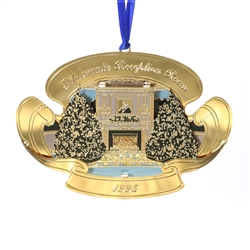
The prestigious White House Gift Shop is an institution known for preserving and celebrating American heritage through various collectibles and memorabilia. Among these, the White House Ornaments stand out. With their captivating evolution, these official White House ornaments encapsulate the rich history and traditions that encompass America's presidential history. We take pride in offering the best presidential memorabilia, including our ever-popular White House Christmas ornaments. Check them out today!
-
The White House Gift Shop, the iconic symbol of Americana, traces its rich legacy back to the early pages of the nation's history, all the way to 1946. Today, we offer authentic presidential memorabilia of all kinds, including White House ornaments, presidential coins, and custom-made wine glasses. Continue reading to see how we've evolved over the decades, and shop online today!
-
The White House Gift Shop has a rich history of offering commemorative Easter eggs that have become an integral part of American traditions. These beautifully designed eggs, each representing a different administration, serve as a symbol of the country's heritage and the significance of Easter celebrations at the White House. Shop our collection of White House Easter Eggs today.
-
As the ultimate symbol of our great nation, the American flag represents the ideals of freedom, unity, and opportunity. With our high-quality and meticulously crafted flags, you can proudly display your love for your country or surprise someone with a meaningful and timeless present.
-

At The White House Gift Shop, we understand the excitement and fascination that come with owning a piece of Presidential history. That's why we are proud to offer an extensive selection of Presidential souvenirs, all available online and delivered straight to your doorstep. From exquisite White House ornaments to commemorative coins, stylish White House apparel to unique Washington, D.C. gifts, our online store is the perfect destination for all your Presidential memorabilia needs. Shop today. White House OrnamentsOur White House ornaments are the epitome of elegance and craftsmanship. Each ornament showcases iconic elements of the White House, capturing the grandeur and history of this esteemed residence. Whether you're a collector or simply looking for a beautiful addition to your holiday décor, these Presidential ornaments are a cherished keepsake that will be treasured for years to come. Commemorative CoinsOur collection of commemorative coins honors important moments, figures, and events in American history. Each Presidential coin is a meticulously crafted piece of art, embodying the legacy and significance of the subject it represents. From the Great Moments in History collection to the Military and Presidential challenge coins, these pieces are a tangible way to celebrate and remember the remarkable individuals and milestones that have shaped the nation. White House ApparelShow off your presidential style with our White House apparel collection. From t-shirts and hoodies to hats and accessories, our merchandise allows you to proudly display your admiration for the White House and its historical significance. Made from high-quality materials and featuring unique designs, our apparel is both fashionable and comfortable, making it the perfect choice for any occasion. Washington, D.C. GiftsFor those looking to explore the rich history and culture of Washington, D.C., our online store offers a wide array of unique gifts. From mugs and magnets to keychains and books, these items are the perfect way to bring a piece of D.C. into your everyday life. Whether you're a resident, a visitor, or simply a fan of the nation's capital, our Washington, D.C. gifts are sure to delight and inspire. Shop OnlineThe convenience and accessibility of our online store make it easy for you to find and purchase the Presidential souvenirs you desire. With just a few clicks, you can browse through our extensive collection, read detailed descriptions, view high-resolution images, and make your selection. Our website provides a seamless and secure shopping experience, ensuring that your personal information is protected and your orders are processed with care. Our Customer ServiceWe are committed to providing exemplary customer service and satisfaction. Our knowledgeable team is always available to assist you with any inquiries or concerns you may have. Whether you need help choosing the perfect gift or tracking your order, we are here to make your experience pleasant and memorable. SHOP TODAYBy offering our White House gifts online, we are able to reach customers far and wide, allowing them to enjoy the beauty and significance of presidential souvenirs from the comfort of their own homes. Whether you're located in the heart of Washington, D.C. or across the country, we are proud to bring the spirit of the White House and the legacy of American presidents directly to your doorstep. Visit our website today to explore our diverse range of Presidential souvenirs and start building your own collection of iconic memorabilia. Discover the beauty, elegance, and historical significance that our White House ornaments, commemorative coins, White House apparel, Washington, D.C. gifts and so much more have to offer. Experience the convenience and joy of shopping online with The White House Gift Shop where Presidential history is just a click away.
Shop Today
-
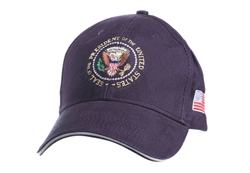
This Valentine's Day, surprise your loved ones with a token of admiration and patriotism from The White House Gift Shop. Our collection of US White House hats is the perfect way to showcase your affection and appreciation for the rich history and traditions associated with the presidential office. Browse online today!
-
Introducing The White House Gift Shop's exclusive collection of Presidential Coffee Mugs and Drinkware, designed to add a touch of elegance and patriotism to your morning routine.
-
White House apparel, available at The White House Gift Shop, offers an exquisite collection of clothing and accessories that pay homage to American history. From presidential quotes to iconic landmarks, each design captures the essence of the White House and the values it represents.
-
Establishing meaningful holiday traditions is an integral part of the festive season. For history enthusiasts and those who appreciate the artistry and beauty of Christmas decorations, collecting White House Ornaments from The White House Gift Shop can add a touch of elegance and historical significance to your holiday celebrations.
|